You’re 28. Why are you already saying “I’m too old for this”?
Desk all week, too unfit for the weekend? Discover why training in your 20s and 30s matters.
By
September 30, 2026
.jpg)
A friend suggests a hike. You immediately ask how steep.
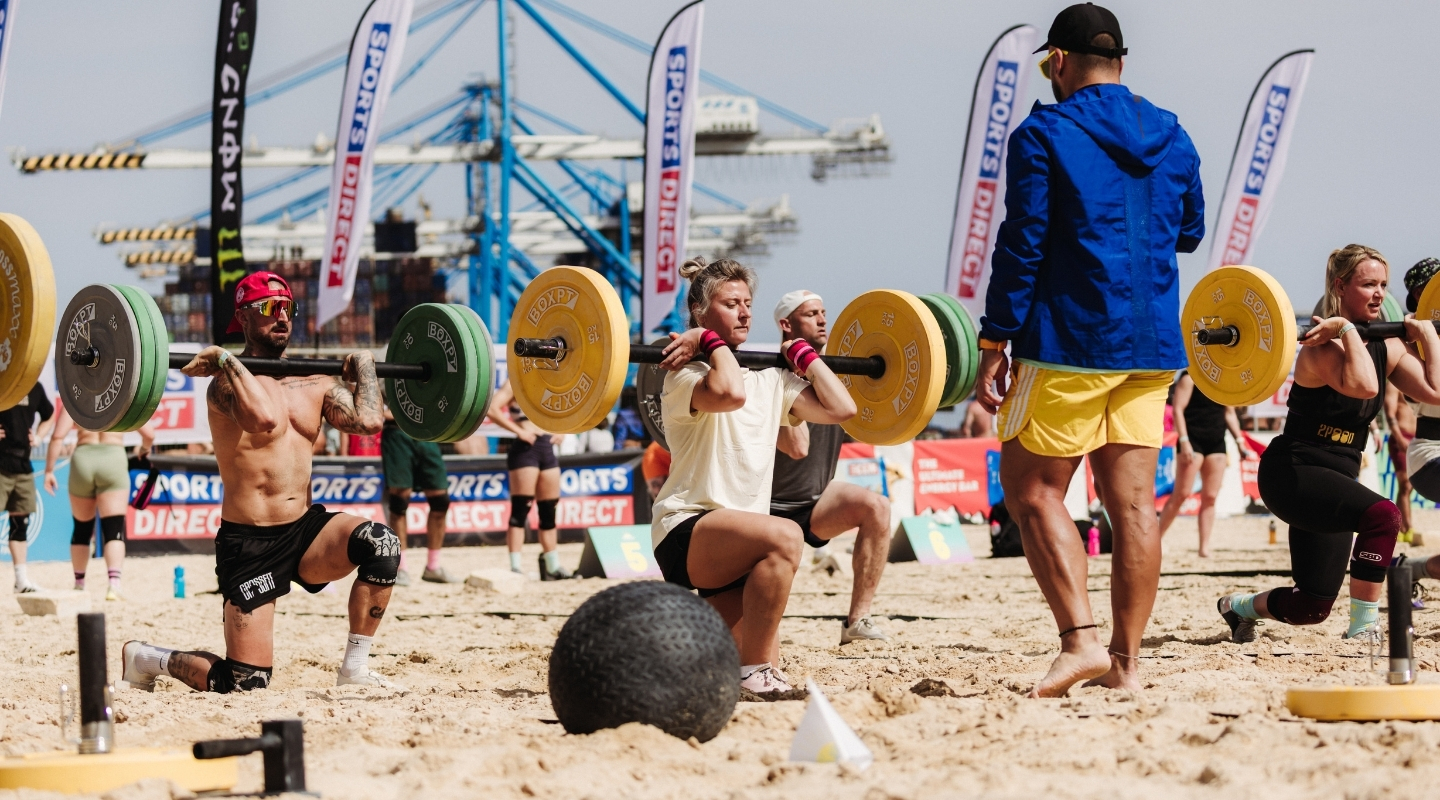
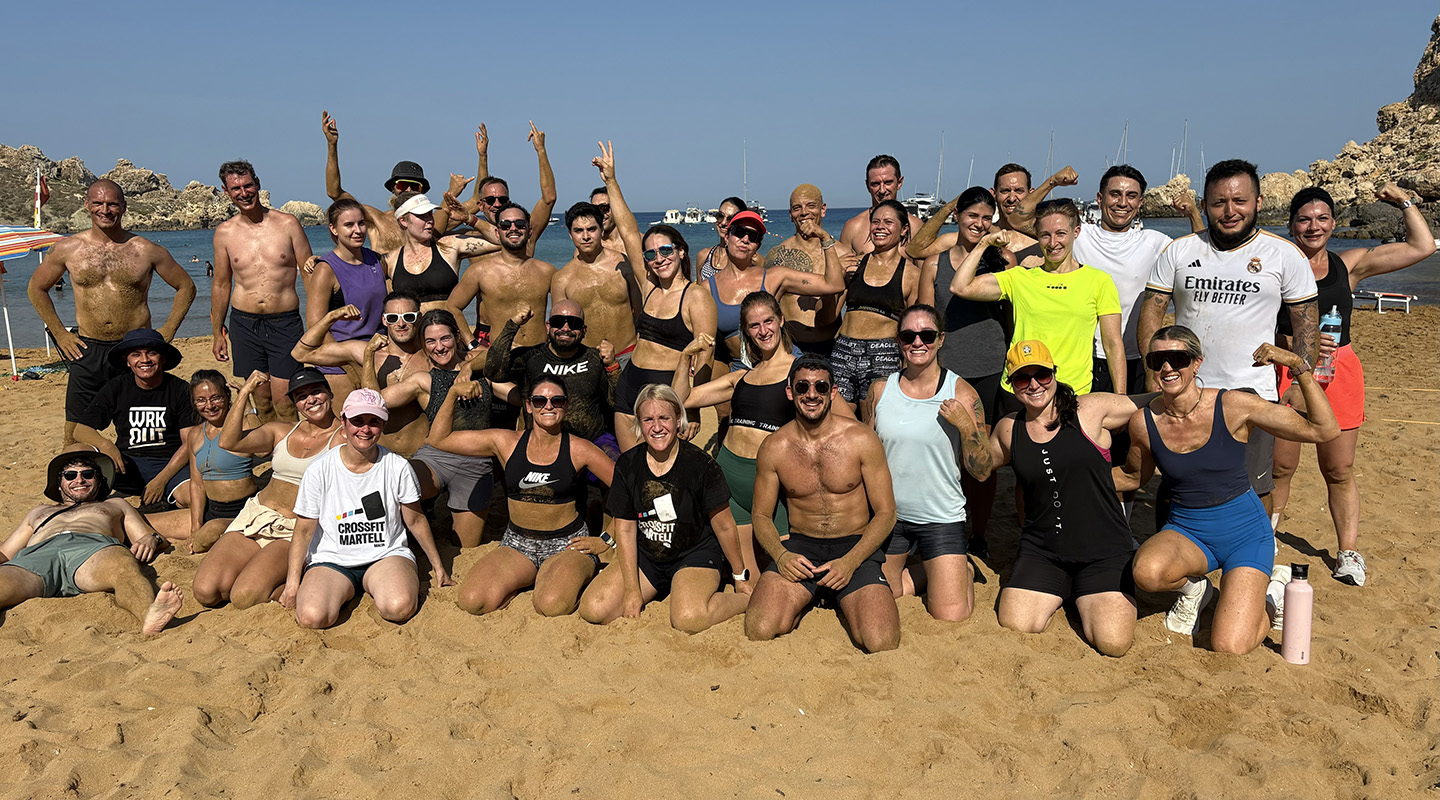
Someone mentions a beach workout. You volunteer just to hang out.
You used to say, “Yeah, let’s do it.” Somewhere along the way, that became, “I’d need to get fit first.”
Between work, commuting and everything else, movement can quietly disappear from your week. You can have a completely packed calendar and barely use your body.
Then another birthday arrives, and you blame the birthday.
Think about a normal Tuesday. How much of it involves moving? How much involves sitting somewhere, then moving to a different place to sit?
This is an easy routine to fall into. Especially when your job happens on a laptop and dinner arrives through an app.
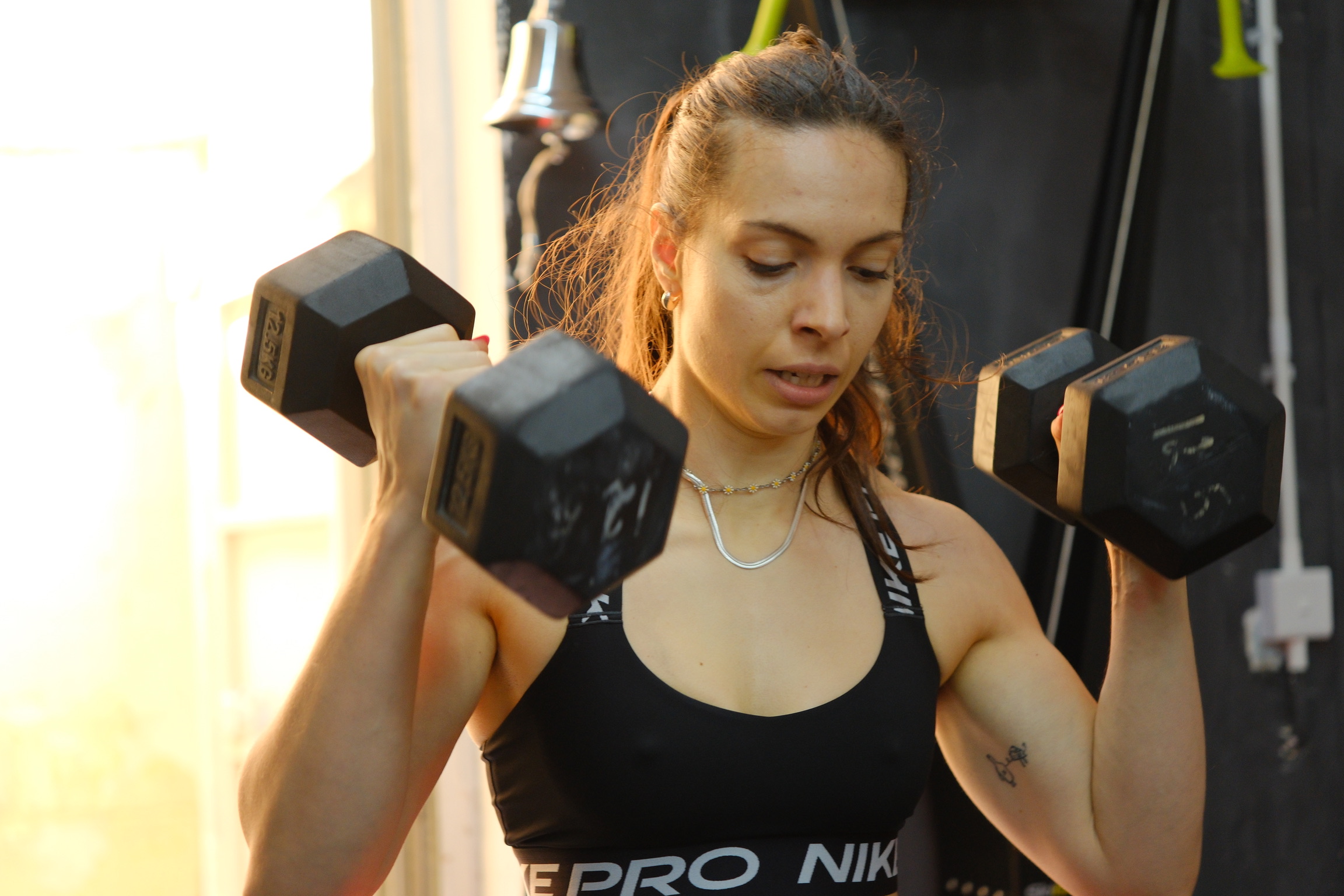
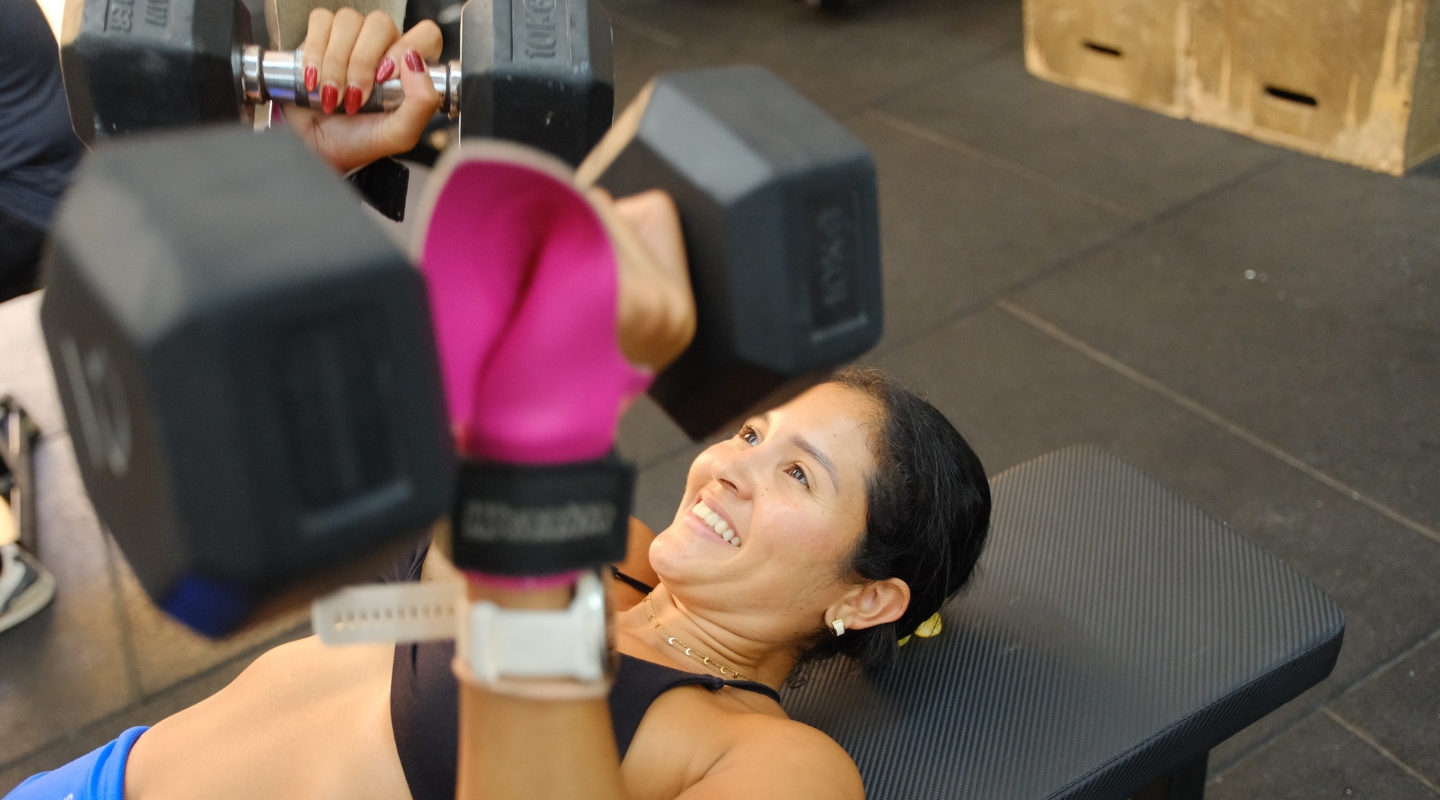
Training gives you a regular appointment to do something physical: lift, push, pull, run, learn. Start at an effort you can manage, then build your capacity over time. The payoff you’re working towards? Being able to say yes to more things without first calculating whether you can handle them.
Here’s a less Instagram-friendly reason to train: your blood sugar doesn’t care how good your gym selfie looks.
Insulin resistance means your cells respond less effectively to insulin, which helps regulate blood sugar. It and prediabetes often develop without obvious symptoms. Physical activity is one of the habits that can help reduce your risk. [1]
That doesn’t mean you should assume something is wrong. It means you don’t need to wait for something to go wrong before taking an interest.
Regular activity also helps reduce the risk of heart disease and high blood pressure. [2] Those benefits count even when the scales haven’t moved and nobody has commented on your arms.
You can want to look better. Just know there’s more happening than the mirror can report.
You finish work, open your phone and somehow spend another hour consuming information. Your evening has started. Your head is still at the office.
A coached session gives that hour a different shape. Someone explains the task. You practise it. You have something to focus on that isn’t an unread message.
Regular exercise can improve sleep and reduce symptoms of depression and anxiety. [2] It belongs alongside mental healthcare when needed; nobody should be told to fix depression with burpees.
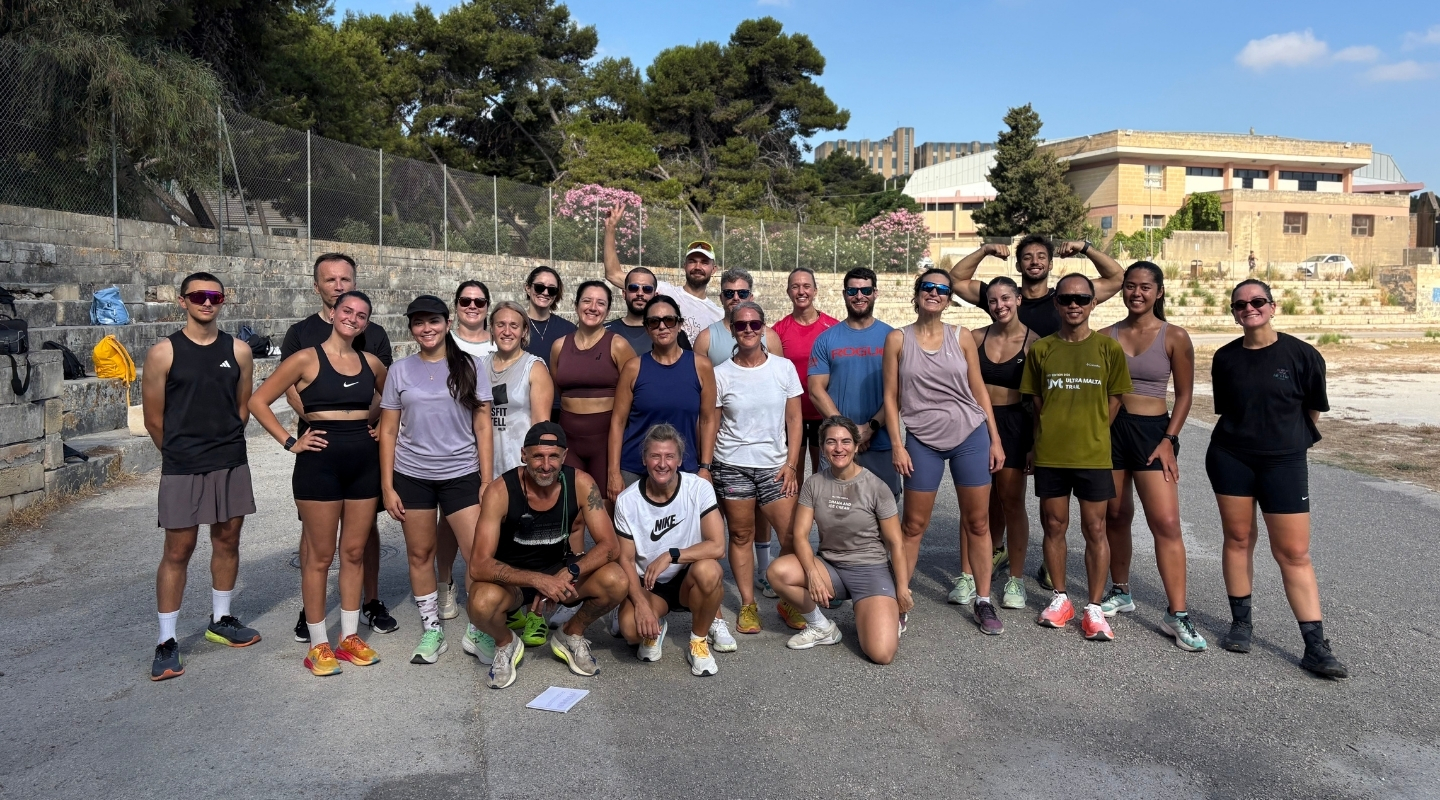
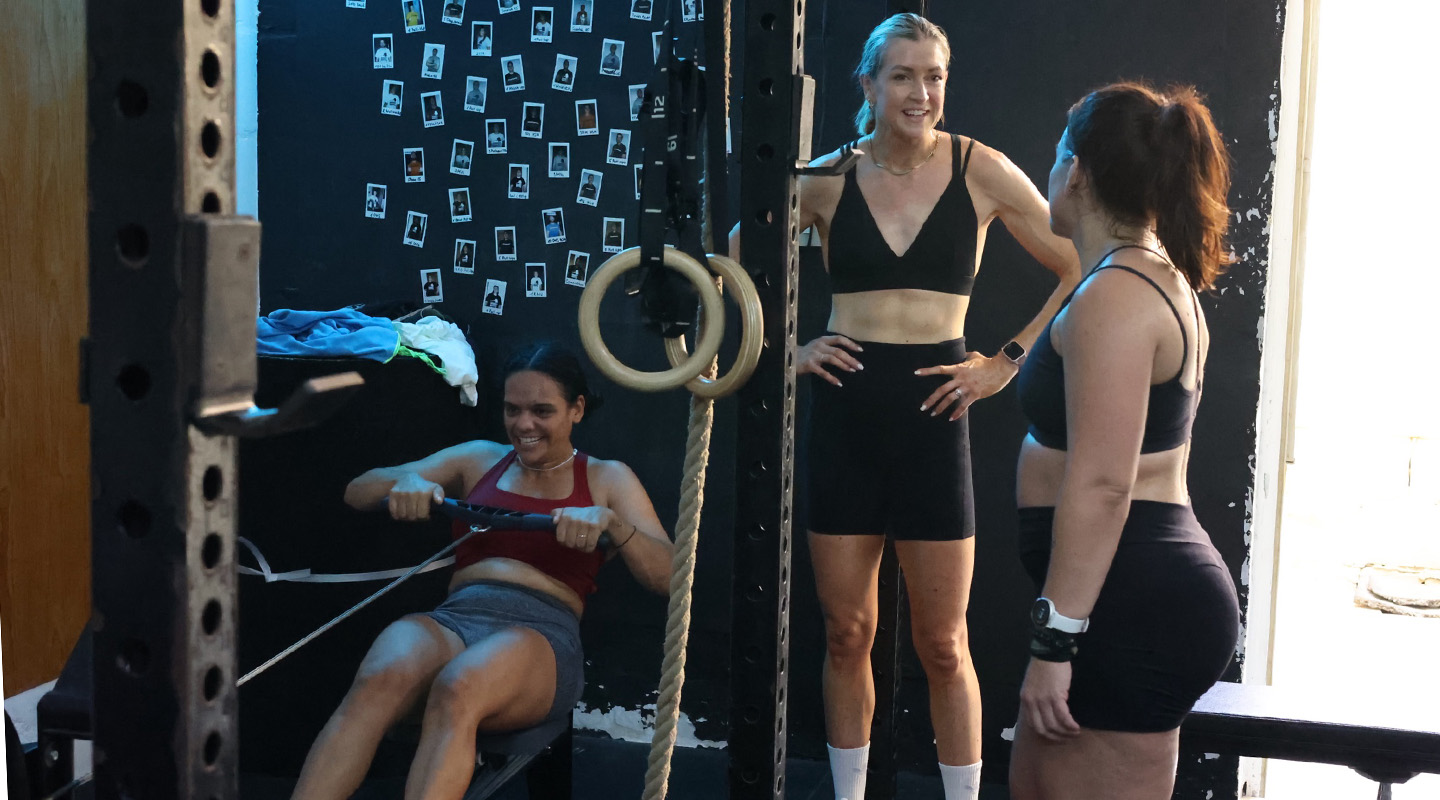
And at Martell, we want you to have people to laugh with between sets. Enjoying the place you train matters to us.
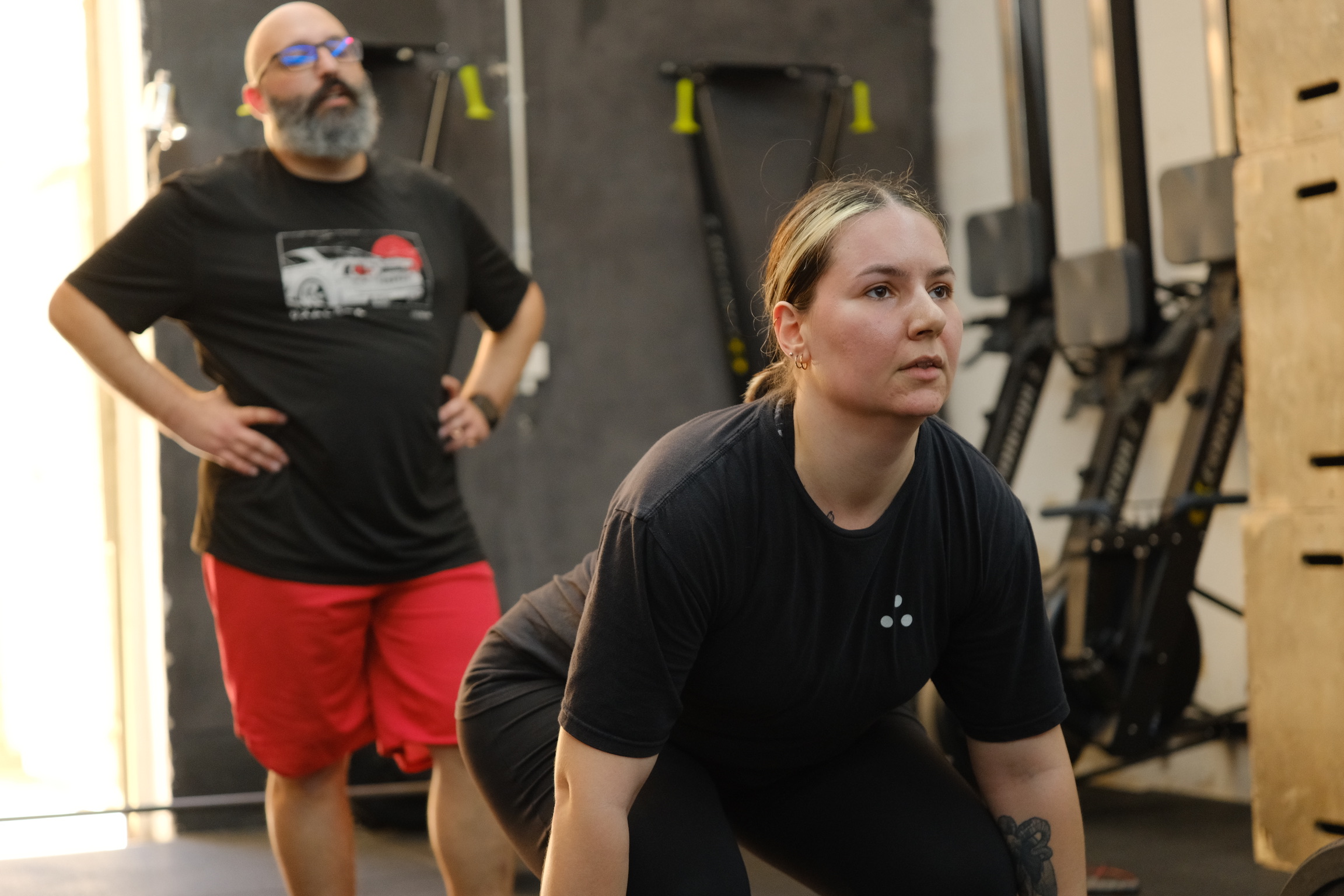
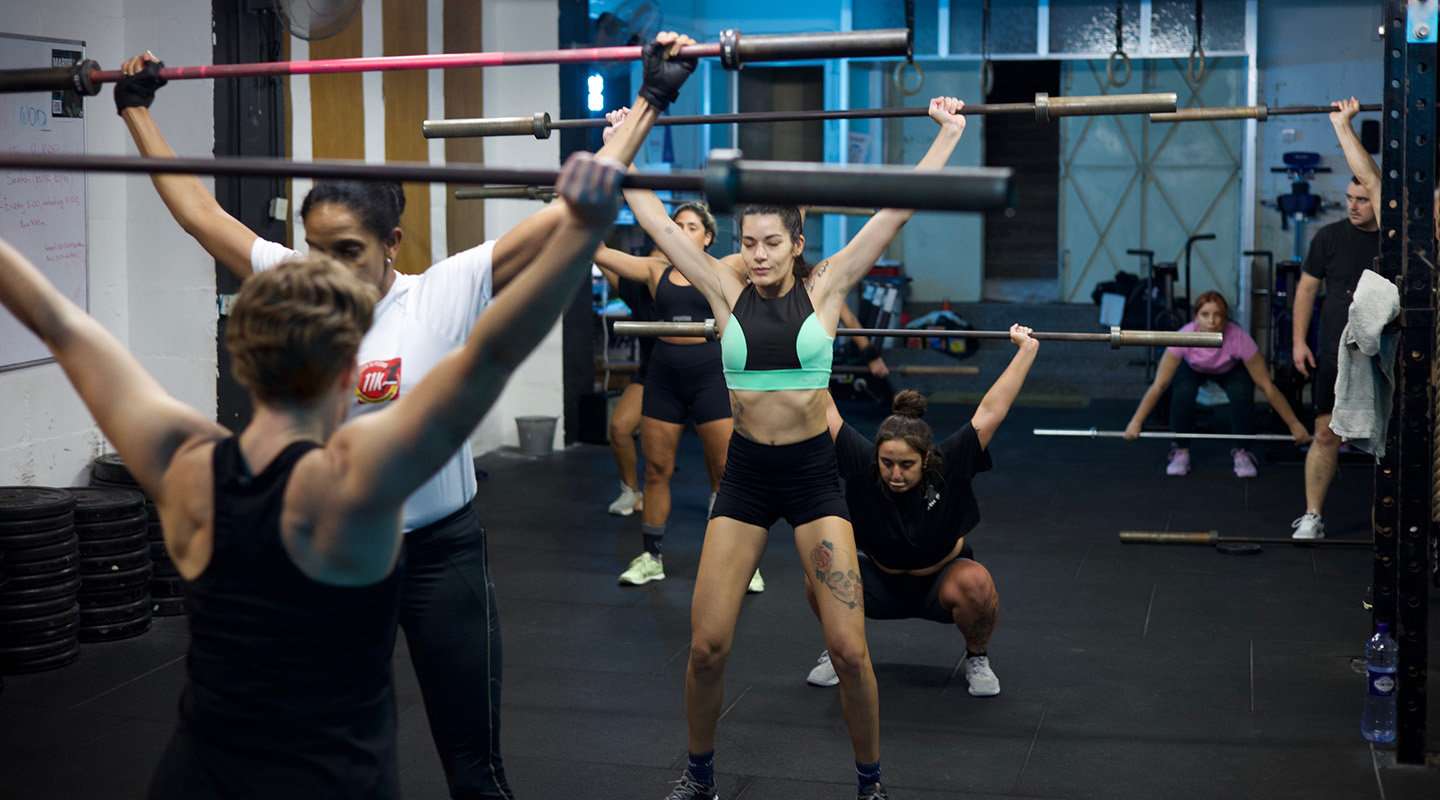
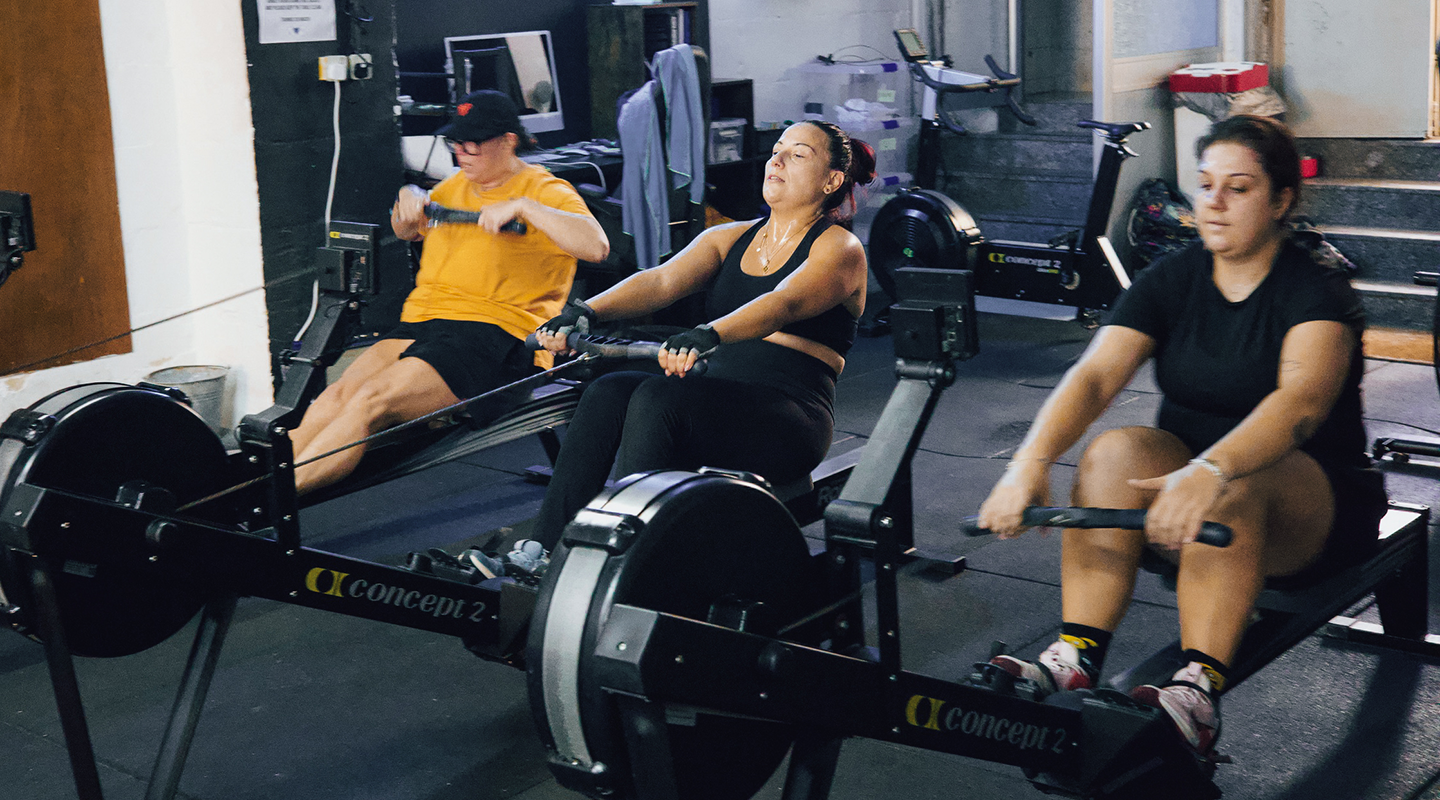
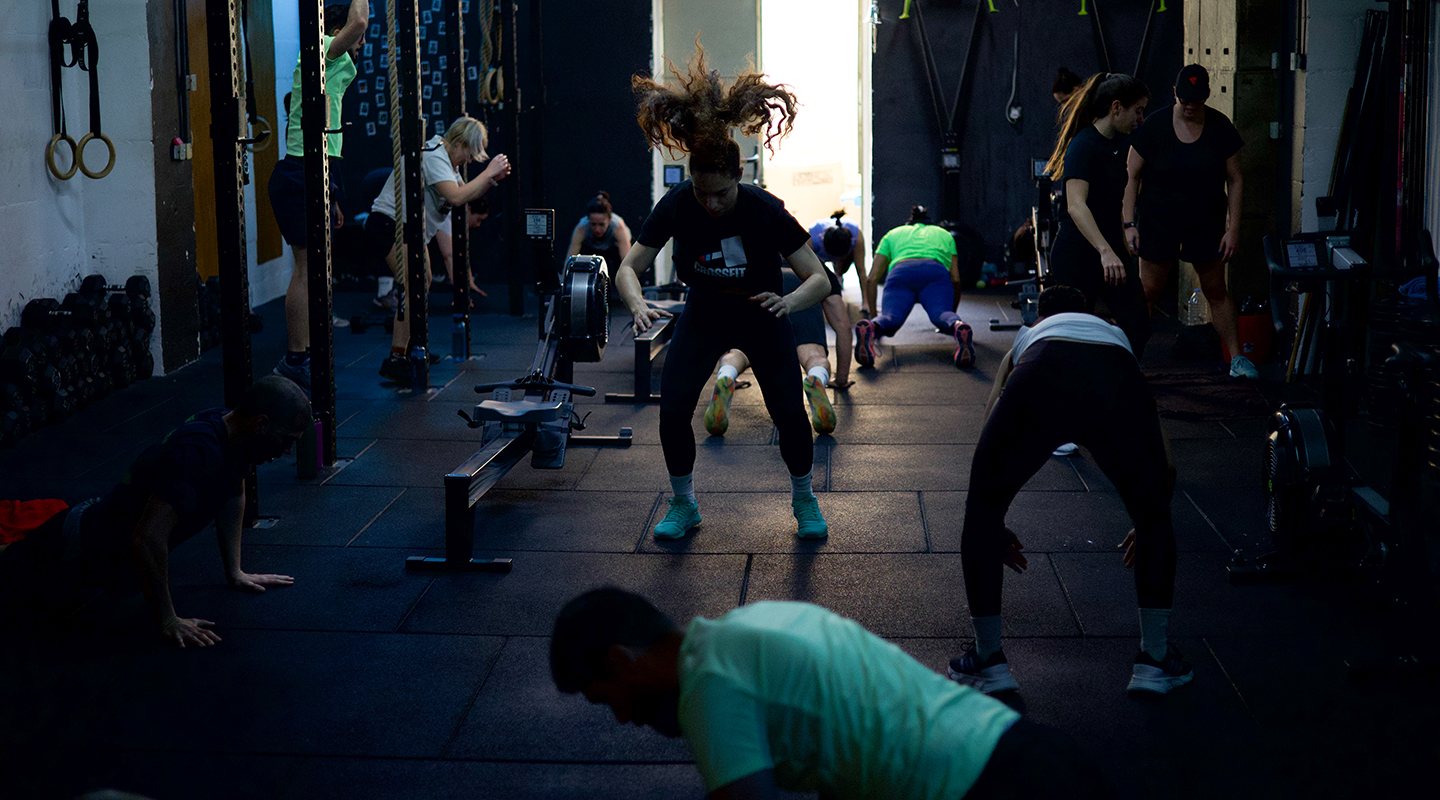
You’re imagining the person flying over a bar on Instagram. Your first session might look more like learning a squat, trying the rowing machine and realising the coach actually means it when they say you can use a lighter weight.
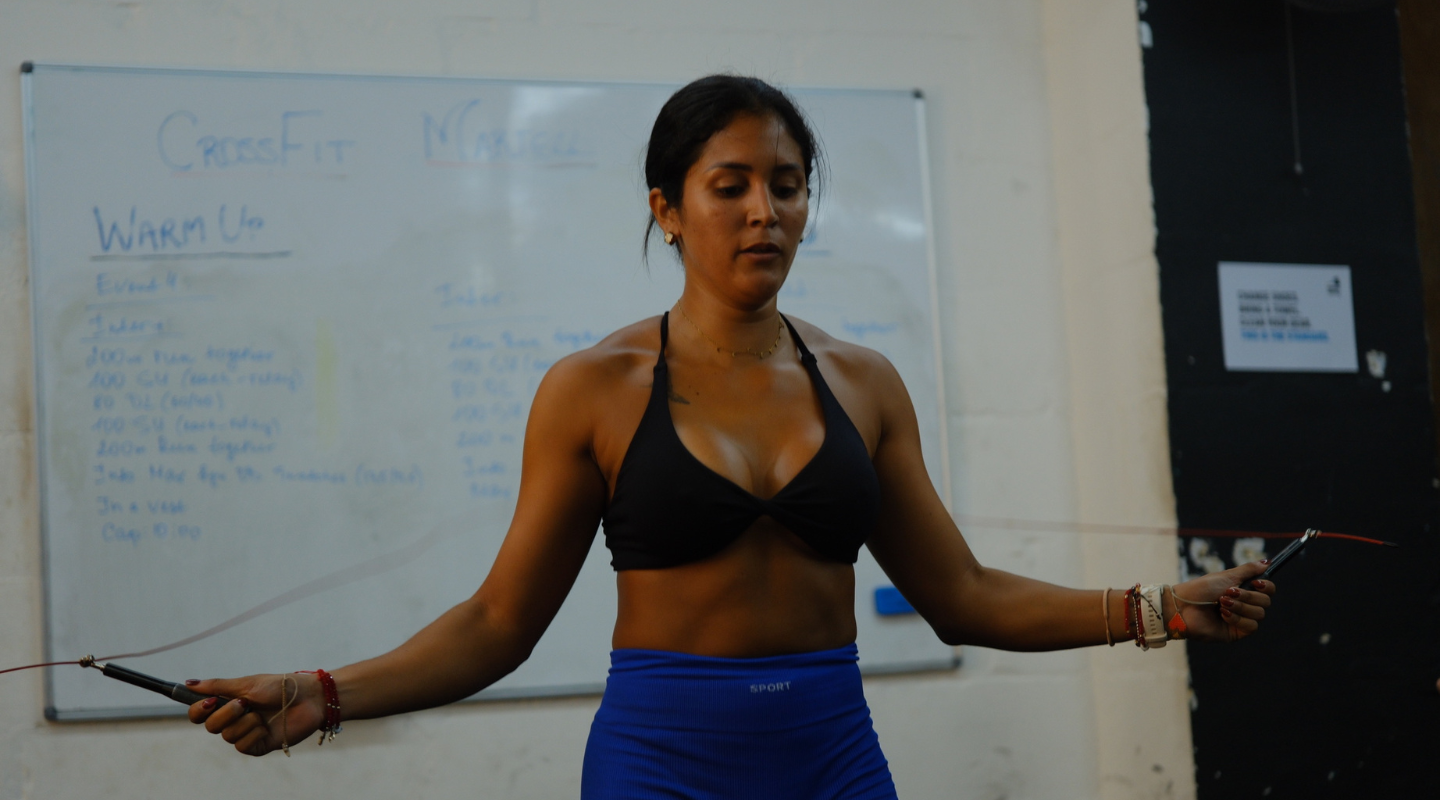
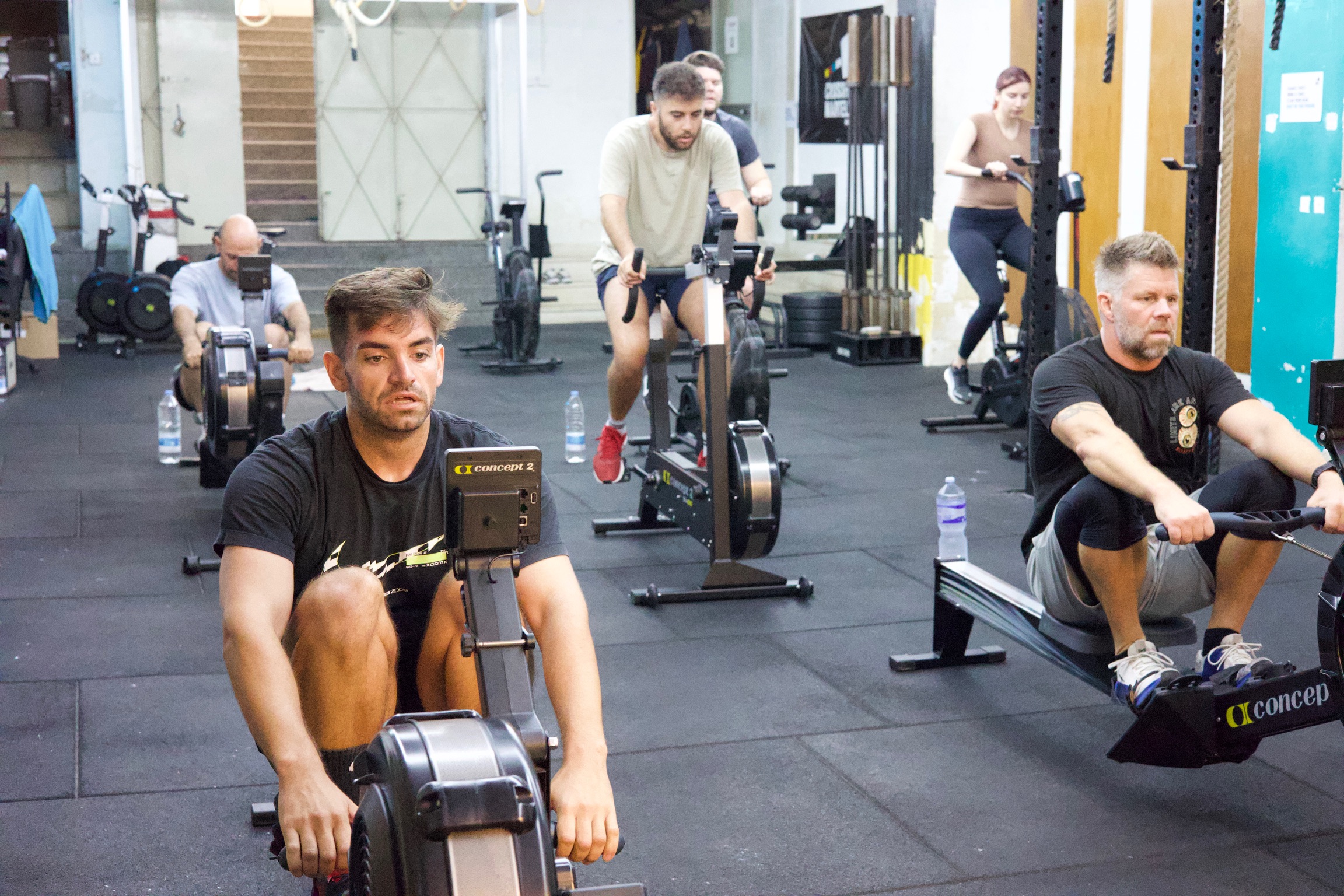
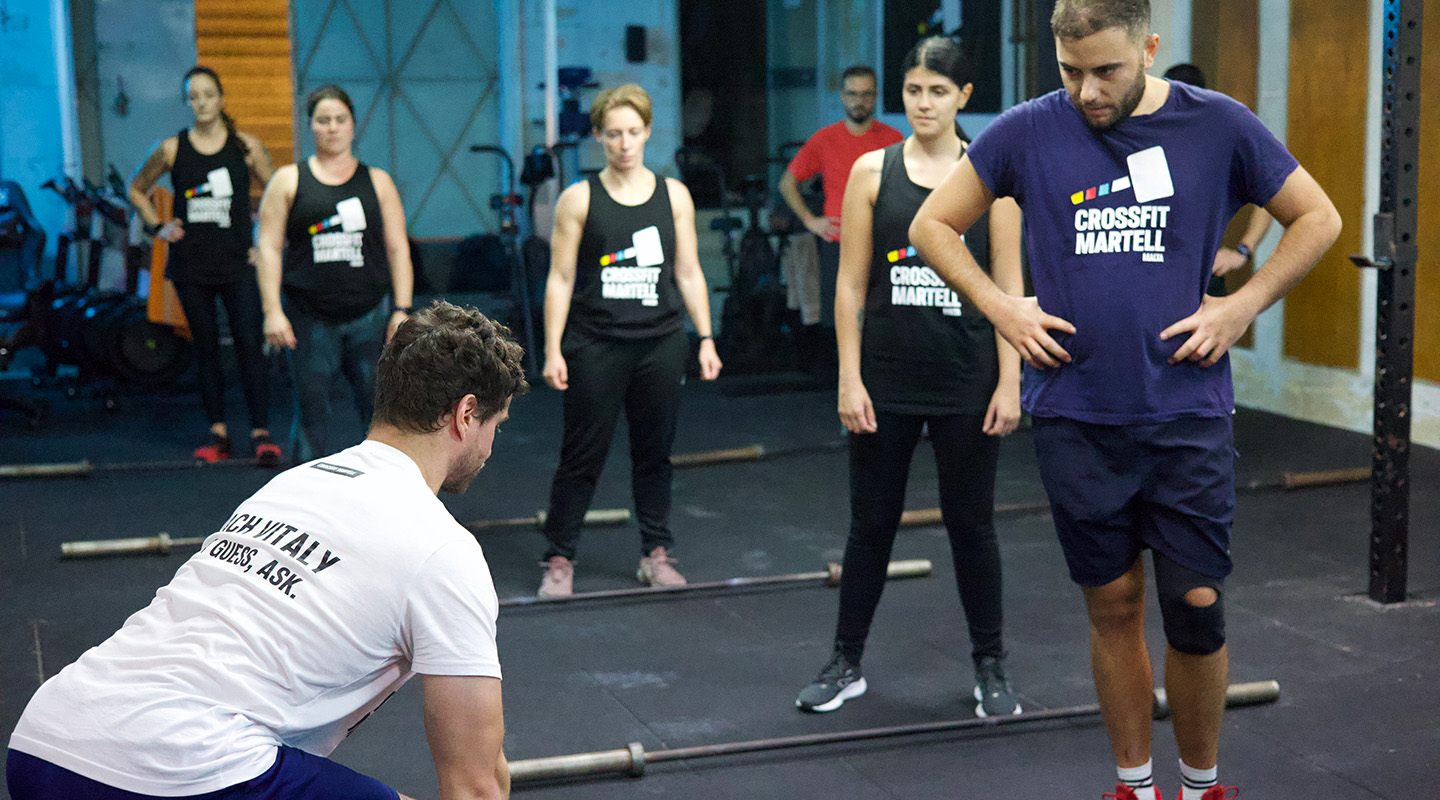
At CrossFit Martell, people in the same class can have different movements, weights and amounts of work. We explain what you’re practising and why. You get a starting point and something to build towards.
You also get to ask questions. Including “What the hell is an AMRAP?” Nobody is born knowing that.
The hike? The first class? Being the beginner in a room?
You can start while you’re still a little nervous. Tell us where you’re at, and we’ll help you work out the next step.
Tell us one thing you’d love to feel fit enough to do. Let’s start there.

.jpg)