You're Not Out of Shape. It's Just Hot.
Wondering why workouts feel harder in Malta's summer? Learn how heat affects performance, what heat acclimation is, and how to train safely.
By
July 2, 2026
Ever finished a workout recently and thought:
"Why am I so much slower?"
"Why is my heart rate so high?"
"Have I lost all my fitness?"
If you're training during a Maltese summer, you're probably asking yourself these questions.
The good news? You're not getting weaker. Your body is simply working much harder to keep itself cool.
When you train in hot and humid conditions, your body has two priorities:
To cool itself, your body:
That means less blood is available to your working muscles. The result? The exact same workout suddenly feels much harder.
If you've noticed any of these lately, don't panic:
This doesn't mean you've lost fitness. It's your body's normal response to exercising in the heat.
Your body is incredibly good at adapting. With repeated exposure to heat, it gradually becomes better at cooling itself. This process is called heat acclimation.
As your body adapts, you'll start to:
In other words... Your body learns how to handle the heat.
Everyone adapts at a different pace. It depends on:
Most people notice improvements within 5–7 days. A more complete adaptation usually happens after 10–14 days of consistent training.
One of the biggest mistakes athletes make during summer is trying to match the same pace, weights, or workout times they achieved in cooler weather.
Your body is under more stress. That means your pace might slow down. Your heart rate might climb faster. The workout might feel much harder. And that's completely normal.
Instead of chasing numbers, focus on the intended effort. Some days, training smarter means slowing down.
Don't wait until you're thirsty. Drink consistently throughout the day and replace fluids after training.
Sweat doesn't just remove water. It also removes sodium and other minerals that help your muscles function properly.
If you're sweating heavily, replacing electrolytes can make a big difference.
Instead of obsessing over pace or weight, ask yourself: "Does this feel like the right effort today?"
Sometimes your best summer workout will be slower than your best winter workout. That's okay.
Heat adaptation doesn't happen overnight. Trust the process. Every workout helps your body become better prepared for the next one.
Every summer we hear members say: "I don't know what's wrong with me. I feel so unfit."
Most of the time, nothing is wrong. You're not losing fitness. You're adapting to one of the hottest, most humid environments of the year.
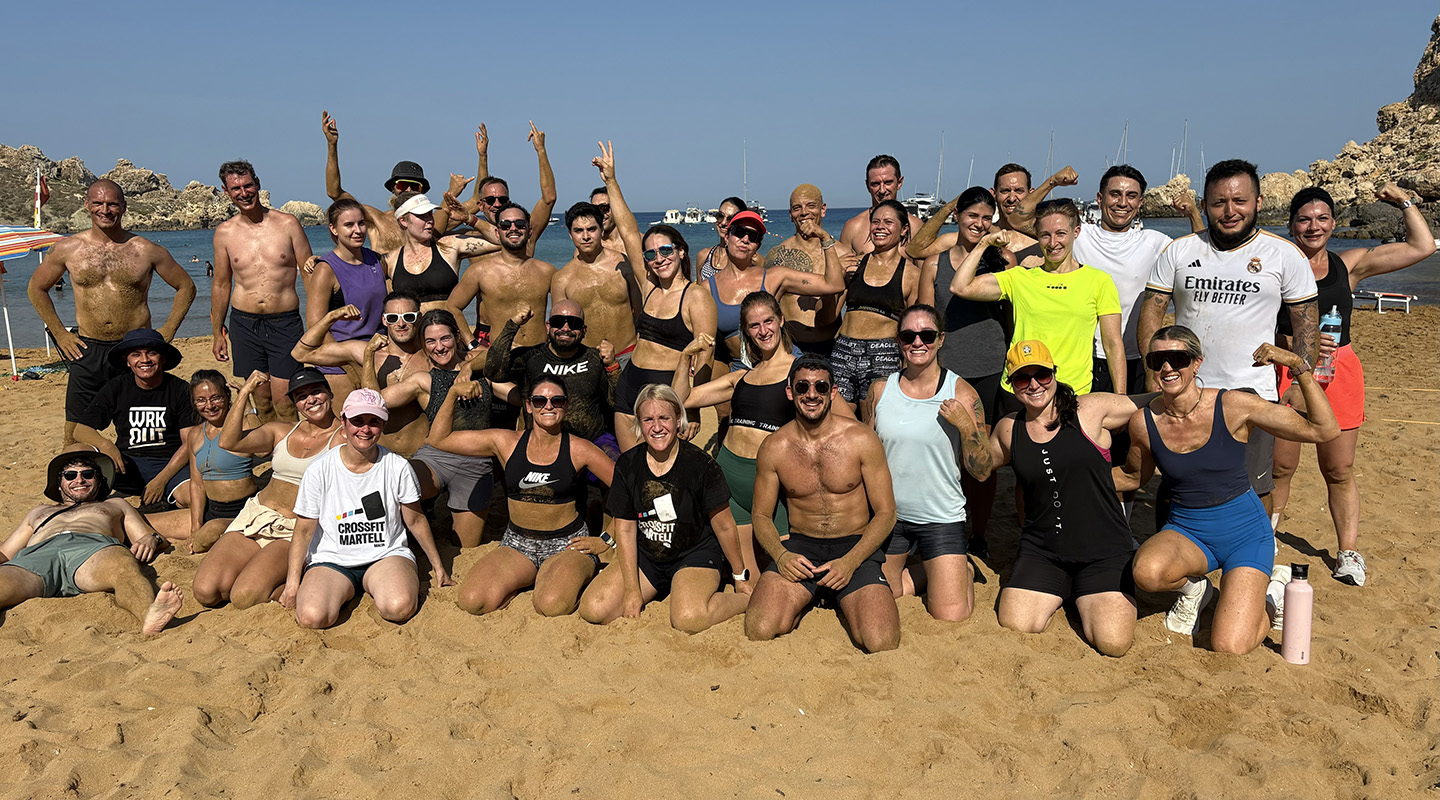
At CrossFit Martell, we encourage members to listen to their bodies, pace workouts intelligently, stay hydrated, and understand that summer performance looks different. That's not a setback. It's part of becoming a better athlete.
Your body is working overtime to keep you safe.
Respect the heat. Stay hydrated. Be patient. Keep showing up.
Your body will adapt—and before long, those tough summer workouts won't feel nearly as tough.
Because sometimes the biggest improvement isn't training harder. It's understanding how your body works.

.jpg)
.jpg)