Real CrossFit Coaching vs AI Coaching: Why Technology Can’t Replace a Real Coach
Discover why real CrossFit coaching delivers better results, safer progress, and long-term success compared to AI training.
By
April 9, 2026
AI is impressive. It can write programs, calculate percentages, build spreadsheets, and sound confident doing it.
There is one important thing, though:
AI can generate workouts. But it cannot coach a human being.
And the difference matters more than people think.
Ask any AI tool to “write a CrossFit program” and you’ll usually get something like this:
Day 1: Squat + Metcon
Day 2: Conditioning
Day 3: Olympic lift + Core
Repeat. Slightly different movements. Same feeling.
On paper, it looks fine. In reality, it’s often:
AI doesn’t feel patterns — it just reshuffles them.
It doesn’t know that your shoulders tighten under fatigue, your knees cave when you’re rushed, that last week’s stress at work crushed your recovery or that you’re mentally afraid of getting under the bar again
So it keeps programming as if none of that exists.
It’s intentional structure.
Good human programming has memory and direction.
A real coach programs with questions in mind:
A human coach knows when volume needs to drop even if the plan says “add more”, intensity should pause because confidence is lagging, technique needs a detour before load increases and that consistency matters more than excitement this week.
AI can’t sense that.
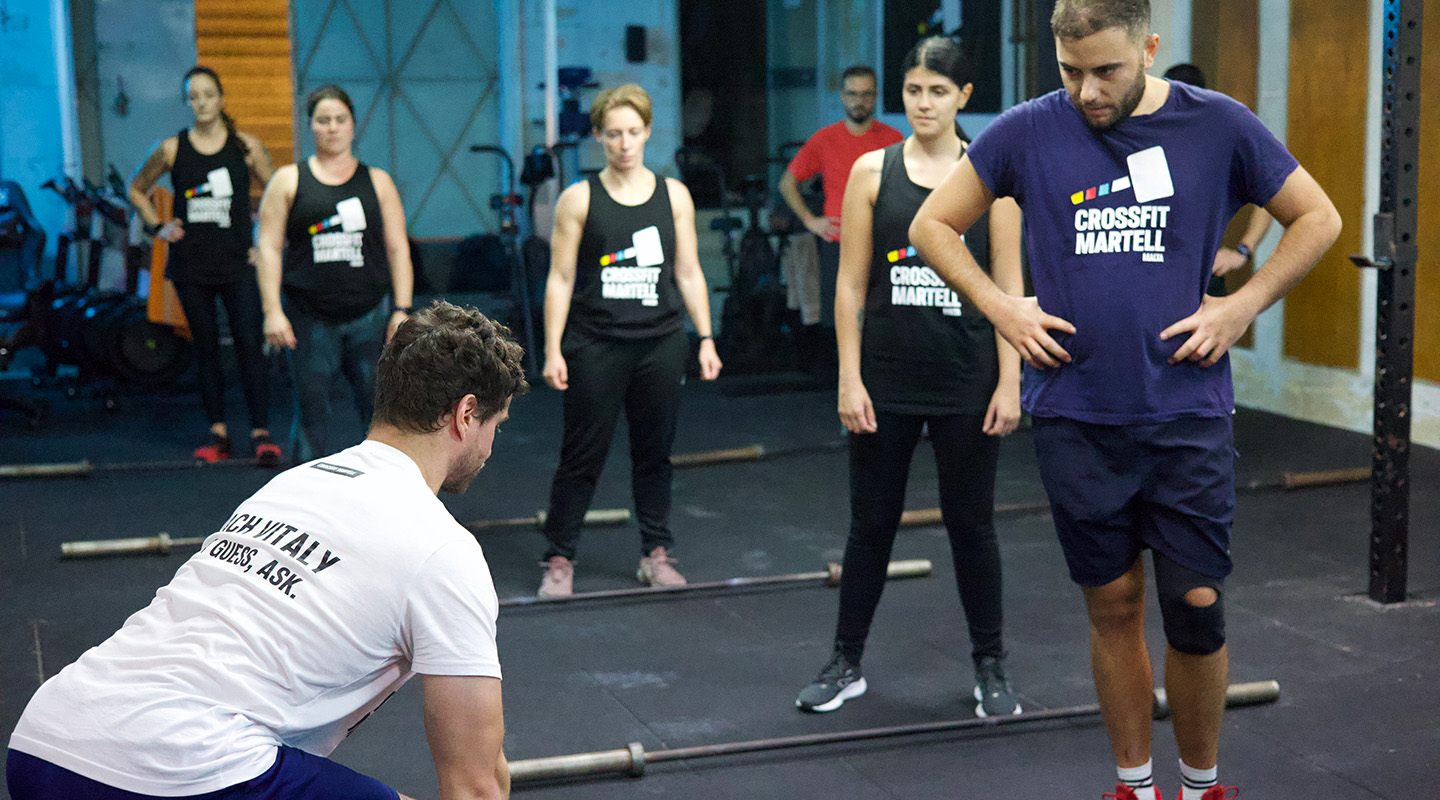
A coach can see it in your posture before you speak.
Here’s what AI will never do:
A coach doesn’t just deliver workouts. They read people.
That’s not data. That’s experience.
It sounds confident. AI rarely says “this might not be right for you.”
It gives clean answers. Clear plans. Perfect formatting. And that confidence can trick people into thinking:
“If the workout looks professional, it must be good.”
But programming isn’t about looking smart. It’s about being responsible for someone’s body, health, and trust.
A real coach carries the weight of injuries prevented, habits built and people staying consistent instead of burning out.
AI doesn’t carry consequences.
Coaches do.
AI can generate workouts. Only a coach can guide a human.
Training is not just movement selection. It’s timing, context, emotion, confidence, and care.
And until a machine can feel those things — real coaching isn’t going anywhere.
If you want workouts, AI is fine. If you want progress, longevity, and confidence in your body — you want a coach.

.jpg)
.jpg)
.jpg)